
If you’re exploring skincare ingredients that help improve the appearance of fine lines, uneven skin texture, and signs of aging, you’ve probably heard of retinol and retinal. Both belong to the retinoid family, which is derived from vitamin A, but they are not exactly the same.
So, what makes them different, and which one should you choose for your skincare routine? Let’s break it down.
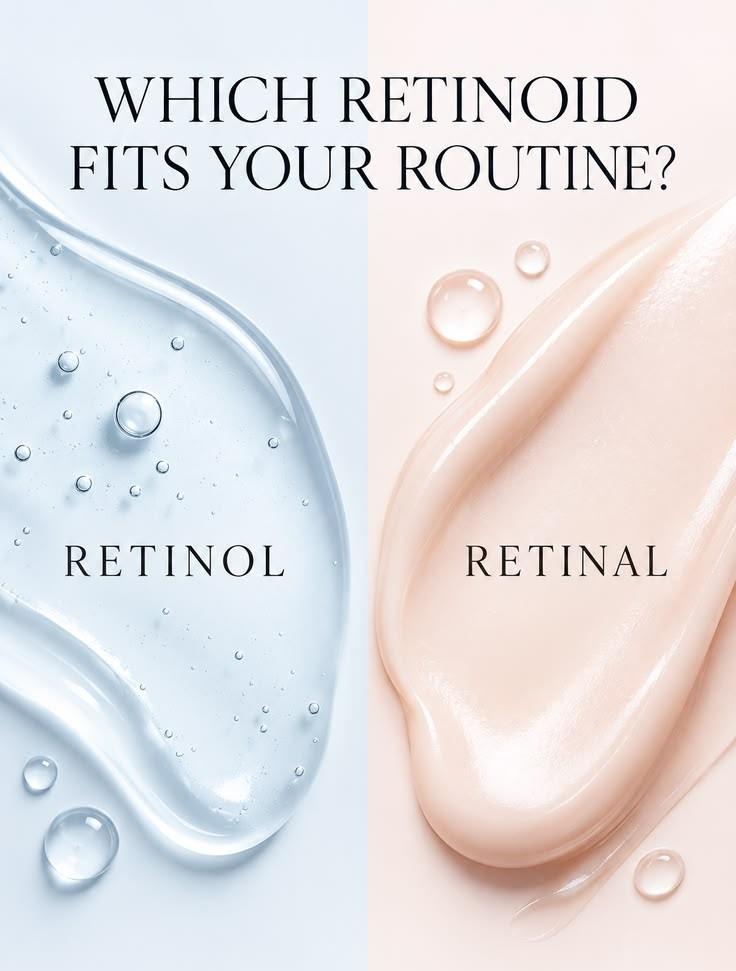
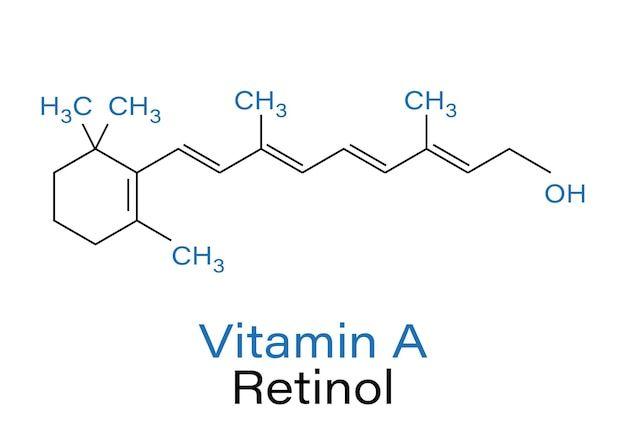
Retinol is a popular vitamin A derivative used in skincare products to improve the appearance of fine lines, uneven texture, and dull-looking skin.
When applied to the skin, retinol must undergo two conversion steps before becoming retinoic acid, the form that interacts with skin cells.
Because of this conversion process, retinol is generally considered a gradual option for people introducing retinoids into their skincare routines.
Potential benefits of retinol:
Can support clearer-looking skin over time.
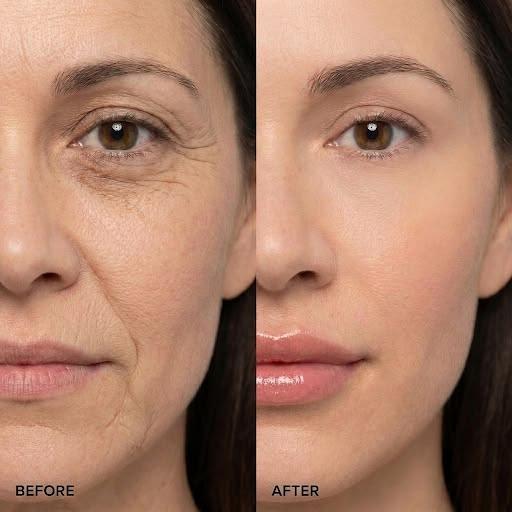
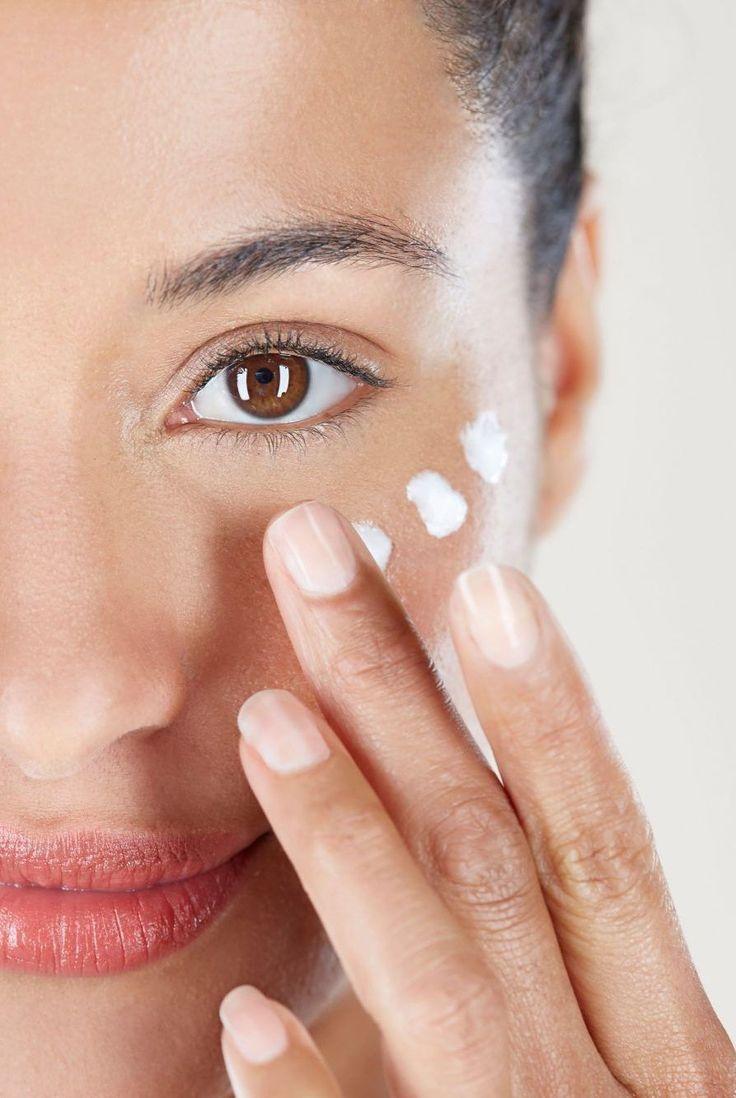
Retinal, also known as retinaldehyde, is another vitamin A derivative. It is one conversion step away from retinoic acid, whereas retinol requires two.
This shorter conversion pathway can allow retinal to act more quickly than retinol, although the actual results depend on the concentration, formulation, stability, and how the product is used.
Retinal can be a useful option for people looking for a more advanced retinoid product, but it may still cause irritation, dryness, or peeling.
Potential benefits of retinal:
| Feature | Retinol | Retinal |
|---|---|---|
| Vitamin A derivative | Yes | Yes |
| Conversion to retinoic acid | Two steps | One step |
| Typical action | More gradual | Can act more quickly |
| Beginner suitability | Often a common starting option | May suit users seeking a more advanced option |
| Irritation potential | Possible | Possible |
| Stability | Requires careful formulation | Also requires careful formulation |
Important: Retinal is not automatically stronger or better in every product. Concentration, formulation, delivery system, and individual skin tolerance all matter.
The right choice depends on your skin, experience with retinoids, and skincare goals.
Neither ingredient guarantees results, and consistency matters more than choosing the strongest product.
To get the most from your routine while reducing the risk of irritation, follow these tips:
Retinoids are generally avoided during pregnancy as a precaution. If you are pregnant, planning pregnancy, or breastfeeding, seek advice from your healthcare professional before using a retinoid.
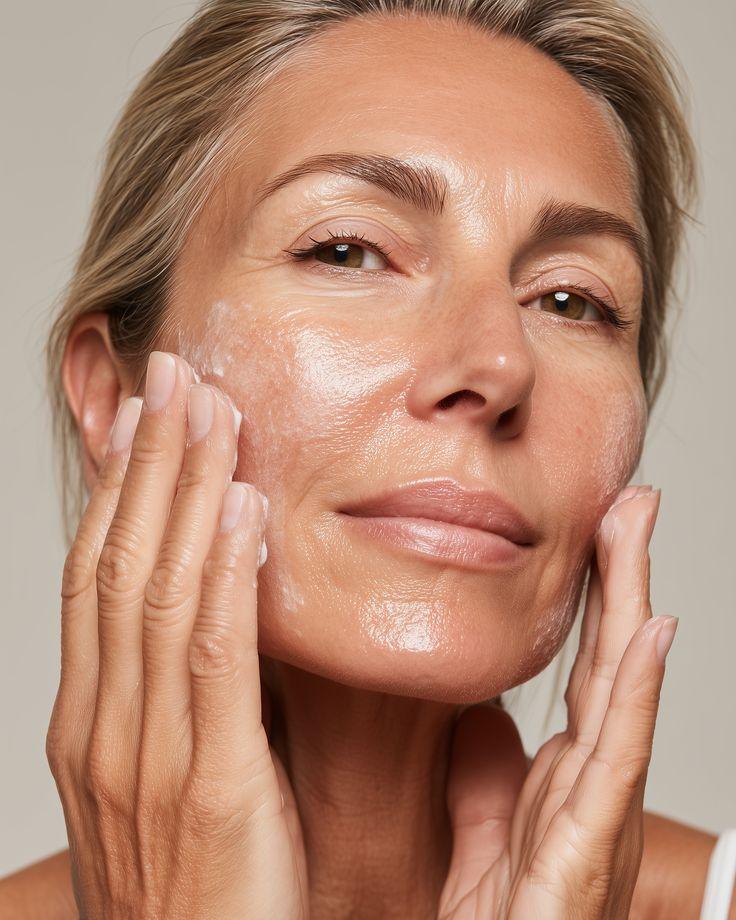

Retinol and retinal are both valuable vitamin A derivatives, but they differ in how many conversion steps they require before becoming retinoic acid. Retinol is a popular gradual option, while retinal may offer a more direct pathway.
The best choice is not necessarily the strongest one. It is the product that suits your skin, is formulated well, and fits into a routine you can maintain.
At Lusmira, informed skincare choices begin with understanding your ingredients. Give your skin time, keep your routine consistent, and remember that healthy-looking skin starts with thoughtful care.


Discover why your skincare routine may not be working and learn 6 simple tips to support...
Discover the underrated skincare problem of a damaged skin barrier, its common causes, and how a...
Give your skincare routine a radiant boost with Lusmira Vitamin C & Niacinamide Serum. Discover the...